How a New York Veteran’s Navy Service Revolutionized Submarine Technology
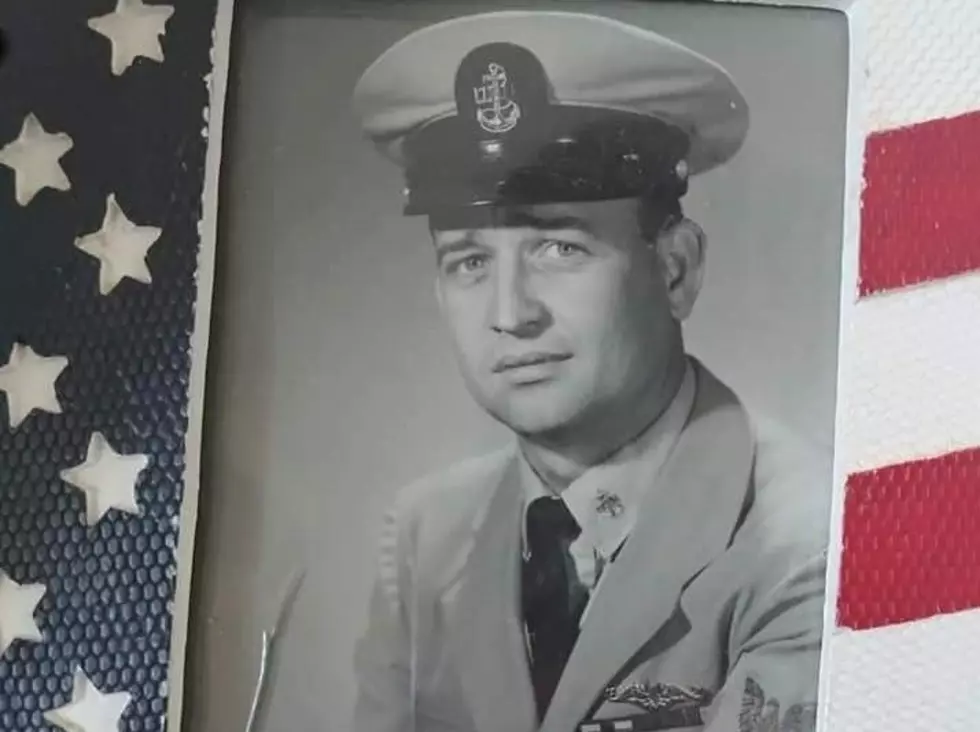
On November 1, 2020, the world said goodbye to an extraordinary man. He may not have been a celebrity or a decorated war hero, but to me, he was both a hero and someone worth celebrating. His name was Jessie, and he was my grandfather.
From Navy Veteran to Man of Faith
After serving twenty years in the United States Navy, my grandfather retired and began a completely new chapter. By the time I came along, he had traded his sailor’s cap for a Bible. He pursued theological studies, became a pastor, and devoted the rest of his life to helping others. Though he had lived through an era of military tension and global change, his focus was always on peace and faith.
Stories Beneath the Surface
He didn’t talk much about his Navy days, but every once in a while, when the moment felt right, he’d share a story. I’d sit quietly, captivated, listening to him talk about life aboard a submarine and the men who became his brothers. Those moments were rare, but they painted vivid pictures in my imagination, of long days beneath the sea, the hum of engines, and the quiet strength it took to serve in silence.
READ MORE: It's True, Upstate New York Really Is the Birthplace of the Navy!
The Secret Mission Called Operation Sandblast
It wasn’t until much later that I learned the full truth about what he had done. My grandfather had been part of a classified Navy mission called Operation Sandblast, the first submerged circumnavigation of the world. As an Electrician Mate First Class aboard the USS Triton, he was one of 188 officers and crew who spent sixty days traveling more than 26,000 nautical miles entirely underwater. At the time, few people even knew the mission existed.
Making Submarine History
Operation Sandblast was a groundbreaking mission that changed the course of naval history. Carried out in 1960 under the command of Captain Edward L. Beach, it proved that nuclear powered submarines could operate independently for months without surfacing. This was a revolutionary concept, a silent, unseen force beneath the waves that could circle the globe without once coming up for air.
The Power of Nuclear Innovation
Nuclear propulsion changed everything about submarine warfare. Unlike traditional submarines that relied on diesel engines and oxygen, nuclear-powered vessels could move faster, stay submerged longer, and go farther than anyone thought possible. It wasn’t just a technological leap, it was the dawn of a new era in naval capability and defense.
Read More: Battleship Cove Is a Perfect Long Weekend Getaway Destination
A New Generation of Submarines
With the success of Operation Sandblast came a new generation of submarines. They were sleeker, quieter, and three times faster than their predecessors. They became symbols of progress, a blend of science, strategy, and courage. My grandfather’s work aboard the USS Triton helped lay the foundation for that transformation, and his experience later guided his career as a nuclear engineer.
A Grandfather’s Lasting Influence
To know that my grandfather played even a small part in that history fills me with awe. He never bragged, never boasted. He simply served, did his job, and moved forward with humility and faith. It’s that quiet strength that stays with me the most, his calm spirit and the way he found purpose in both war and peace.

Redefining What It Means to Honor a Hero
Veterans Day has always held meaning for me, but since losing my grandfather, it’s taken on a deeper significance. It’s no longer just a day of remembrance; it’s a day of gratitude, for him, and for all those who serve without expecting recognition. My grandfather’s legacy reminds me that true heroes aren’t always the ones in the headlines. Sometimes, they’re the ones who change the world quietly, from deep beneath the surface.
LOOK: 100 years of American military history
103 iconic photos that capture 103 years of world history
Gallery Credit: Rachel Cavanaugh & Elizabeth Ciano
More From WNBF News Radio 1290 AM & 92.1 FM