The Forgotten Era When Binghamton Rolled 150 Million Cigars a Year
It is hard to picture now, but Binghamton was once one of America’s biggest cigar-making cities.
Cigar manufacturing was Binghamton’s dominant industry during the late 1800s and early 1900s. During that period, the city ranked second in the nation for cigar production, behind only New York City, according to a National Register of Historic Places document.
More Than 70 Factories Made 150 Million Cigars Each Year
At its height, Binghamton had more than 70 cigar factories. Those factories employed more than 4,000 workers and produced about 150 million cigars a year, according to the Broome County Public Library.
The library describes cigar manufacturing as an industry that helped shape Binghamton’s early identity. The National Register documentation identifies it as the city’s dominant industry in the late 19th and early 20th centuries.
Binghamton Ranked Second Only to New York City
This is not local folklore. The National Register documentation for Binghamton’s industrial resources specifically identifies the city as second in the nation, only to New York City, in cigar production.
Binghamton University also notes that many immigrants came to the city to work in the cigar industry.
Women Made Up 73 Percent of the Cigar Factory Workforce
The story of Binghamton’s cigar industry is also the story of women’s work.
At the industry’s height, women made up 73 percent of the cigar-factory workforce, according to the Broome County Public Library. The library says women worked long hours for low wages but played a central role in building Binghamton’s first major industry.
The Broome County Historical Society’s cigar-makers exhibit used historic photographs to document the factories, workers, and everyday scenes connected to the trade.
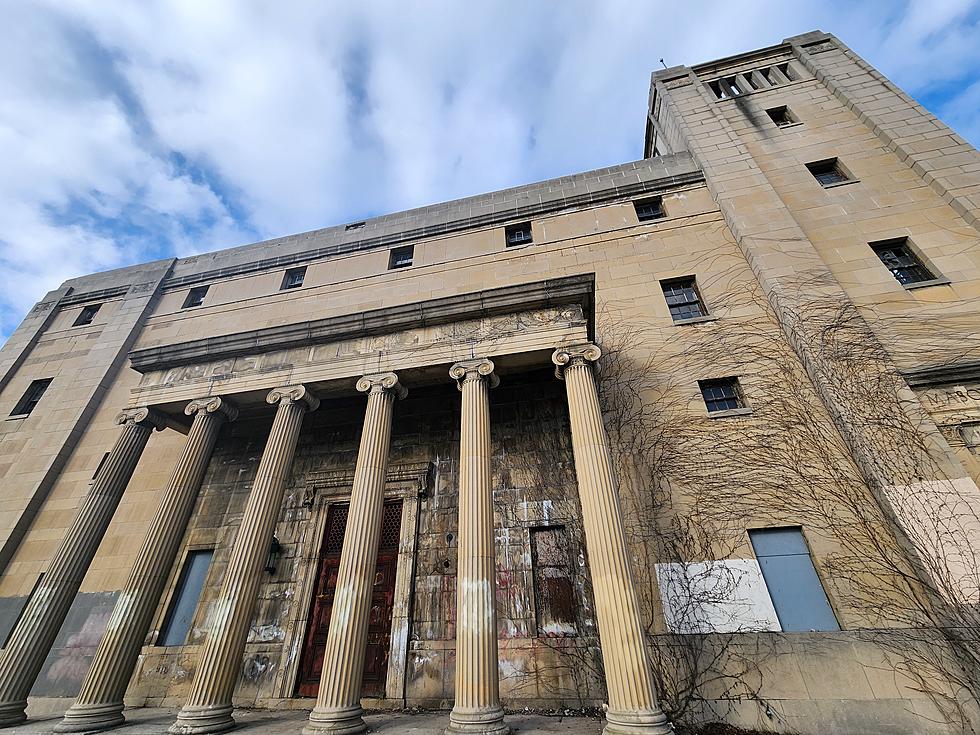
The Former General Cigar Factory Still Stands at 16 Emma Street
One of the city’s surviving cigar-industry landmarks is at 16 Emma Street on Binghamton’s West Side.
The General Cigar Company built the factory in 1927 and 1928. The National Register nomination says the project was viewed as a boost to Binghamton’s cigar business, even as the local industry was beginning to decline.
The Great Depression affected General Cigar’s expansion plans. Ansco bought the building in 1937 and used it to manufacture cameras and photographic equipment. Today, the former factory has been redeveloped as Ansco Lofts, preserving a building connected to two of Binghamton’s major industries.
Cigar Manufacturing Is Still Part of Binghamton’s Story
Binghamton’s cigar-manufacturing era ended, but its history remains visible in photographs, local archives, and former factory buildings.
The city once had dozens of cigar factories, thousands of cigar workers, and a production output that ranked behind only New York City in the entire country.
It's another reminder that Binghamton has a history far bigger and more surprising than many people realize.
Photos: Inside the Bundy Museum of History and Art in Binghamton
Gallery Credit: Traci Taylor
Blast From The Past: Remember These 20+ Binghamton TV Anchors & Reporters?
More From WNBF News Radio 1290 AM & 92.1 FM